Office Removals in Highbury
If you are planning Office Removals in Highbury, you are probably balancing more than just boxes and desks. A move can affect staff, clients, IT systems, schedules, access arrangements, and even the everyday rhythm of your business. In a busy North London area like Highbury, that matters even more. Streets can be narrow, parking can be limited, office buildings may have shared entrances or stair-only access, and commercial premises often need careful timing to keep disruption to a minimum.
That is why local office moving support needs to be practical, organised, and flexible. Whether you are relocating a small team from a converted terrace office, shifting a workspace above a shop, or moving a larger company into a new commercial property, the right approach can save time, reduce stress, and help your team get back to work faster. A good office move is not just about lifting furniture; it is about planning the sequence, protecting equipment, and making sure the move fits around the realities of Highbury.
Many businesses in and around Highbury look for a service that understands local access issues, building restrictions, and the pace of commercial life in nearby areas such as Highbury Corner, Drayton Park, Canonbury, Islington, Holloway, and Finsbury Park. The value of choosing a local team is simple: they know the area, they understand the likely challenges, and they can help you prepare a move that is more efficient from the start.
Why office moving in Highbury needs a local approach
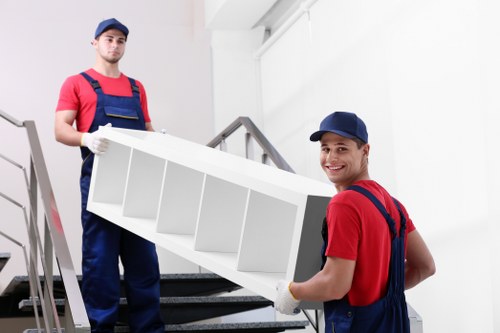
Highbury has a mix of property types that can make commercial moves more complex than they first appear. Some businesses operate from modern office suites, while others work from period buildings, converted houses, shared workspaces, or upper-floor premises. That variety is one reason why office removals Highbury should always be planned with the property, the street, and the timing in mind.
Access can be a major factor. In parts of Highbury, vans may need careful positioning, and moving teams may have to work around loading restrictions, narrow roads, or limited waiting space. If your office is near a busy junction, a residential street with controlled parking, or a building with restricted entry times, the move needs a crew that can adapt without causing unnecessary delays.
Local knowledge also helps with communication. If your building management requires specific arrival windows, lift reservations, or protective measures for communal areas, a local office removals company is more likely to understand how to organise those details efficiently. That means less back-and-forth for you and fewer surprises on moving day.
Common office move situations in the area
Businesses in Highbury often contact removals teams when they are:
- Relocating to a larger or smaller office space
- Moving from serviced offices into an independent premises
- Reconfiguring a shared workspace or studio
- Closing one site and consolidating into another nearby location
- Upgrading furniture, storage, or workstations during a reorganisation
- Moving between Highbury and neighbouring parts of Islington or North London
Each of these situations needs a slightly different plan. A small creative office may need careful handling of monitors, artwork, and storage units, while a professional practice may be more concerned about confidential files, filing cabinets, and computers. The best service is one that adjusts to those needs rather than forcing every move into the same pattern.
For local customers, another important point is timing. Many firms want their relocation completed outside working hours, over a weekend, or in stages so that operations can continue. When a move is well planned, your business can keep functioning while the physical relocation happens around it.
What is included in office removals

Office moves are rarely as simple as carrying items from one building to another. A proper service should include a range of tasks that make the process safer and easier for your staff. The exact support you need will depend on the size of the office, the number of items, and how quickly you need the move completed.
Typical office removal services may include:
- Pre-move planning and schedule coordination
- Disassembly and reassembly of desks, shelving, and office furniture
- Careful packing of documents, equipment, and breakable items
- Loading, transport, and unloading
- Protection for furniture and floors during handling
- Moving IT equipment and office technology with care
- Placement of items in the correct rooms or work areas at the destination
Some businesses also need help with archive boxes, reception furniture, meeting room tables, printers, filing systems, and kitchen or breakout room items. If you have specialist equipment, such as design hardware, expensive electronics, or heavy storage units, it is worth discussing that early so the team can plan the right handling method.
Clear labelling is also important. When boxes and furniture are labelled by department, floor, or room, the setup at the new premises becomes much easier. This helps reduce confusion and lets staff settle into the new space more quickly.
Extra support that can make a difference
Depending on your office type, the service may also involve:
- Safe handling for confidential paperwork
- Moving parts of the office in phases rather than all at once
- Short-notice support for urgent relocations
- Placement guidance for desks, chairs, and storage units in the new layout
- Special care for fragile items and electronic equipment
If your move involves multiple departments or a busy client-facing environment, phased relocation can be especially useful. It allows one team to remain operational while another section is moved, which can be a smart option for local firms trying to avoid unnecessary downtime.
How the office removals process works

A well-run office move usually follows a structured process. This is important because even a modest move can become complicated if there is no clear order. From the first discussion to the final placement of furniture, every stage should be designed to keep the move efficient and manageable.
The process often begins with a discussion about the size of the move, the access at both properties, the type of furniture and equipment involved, and the preferred moving date. This early stage helps identify practical issues such as stairs, lift access, parking restrictions, or the need for packing materials.
After that, the team can build a moving plan. This may include deciding which items are packed first, which areas of the office will be cleared at what time, and how the move will be coordinated with building management or reception staff. For offices in Highbury, where access windows can be tight and local roads can be busy, the scheduling stage is especially important.
Typical move-day sequence
- Arrival and initial walk-through of the premises
- Protective preparation of key areas where needed
- Removal of packed boxes, furniture, and equipment
- Careful loading into the vehicle or vehicles
- Transport to the new office or workspace
- Unloading and placement in the agreed rooms
- Reassembly of furniture where required
- Final check to ensure key items are in the correct place
This sort of structured process helps reduce disruption and allows staff to focus on their own jobs rather than trying to coordinate every detail. It also means fewer delays at the new location, because items arrive in a planned order rather than all being unloaded without a clear setup strategy.
When a move is well managed, it feels calmer. That may sound simple, but for business owners and office managers, calm coordination is often the difference between a difficult move and a smooth one.
Types of businesses that need office removals in Highbury

Highbury is home to a wide range of business types, and office moving needs vary widely between them. Some are small and self-contained, while others operate across several work areas or share space with other organisations. A local removals team should be comfortable handling all of these formats.
Local commercial customers often include
- Professional services firms
- Creative studios
- Small agencies
- Consultants and freelancers moving into a managed office
- Start-ups growing into a larger space
- Charities and community organisations
- Retail businesses with back-office facilities
- Co-working users moving furniture or equipment between sites
Each customer group has different priorities. A creative studio may need robust handling for screens, artwork, and supplies. A professional practice may be more concerned about paperwork and desk setup. A start-up might need a fast and flexible move with minimum downtime. A charity may need a practical, budget-conscious approach that still protects essential items.
There is also a difference between moving a fully fitted office and relocating just part of a business. For example, you might only need to move the meeting room, a few desks, archive storage, or a team’s working area. In those cases, the move should be tailored to the exact scale of the job, not treated as if it were a full corporate relocation.
Moving within or beyond Highbury
Some companies are staying local and moving to another part of Highbury or nearby Islington. Others are moving into surrounding districts such as Canonbury, Barnsbury, Holloway, Finsbury Park, Stoke Newington, or across North London. Local removals experience is valuable either way because it helps the team understand the roads, access patterns, and likely traffic conditions around the route.
That local familiarity can save time and reduce stress. It also supports better planning if your new premises have different entry arrangements or restrictions from the old site.
Why choose a local company for office removals

Choosing a local company for office removals in Highbury offers several practical benefits. You are not just hiring transport; you are choosing people who understand the area, the likely building layouts, and the pace of local business moves. That matters when your move needs to be accurate, efficient, and adaptable.
A local team is often better placed to account for nearby road conditions, parking pressure, and access limitations. In an area where commercial and residential properties sit close together, a move can require tact as well as strength. The move should be completed without disrupting neighbours, blocking access, or creating unnecessary congestion around the building.
Local services can also be easier to coordinate. If the move date changes, if a lift reservation needs adjusting, or if the office layout shifts at the last minute, a nearby team may be able to respond more quickly. For businesses trying to balance relocations with daily work, that flexibility is extremely useful.
What customers often value most
- Practical local knowledge of Highbury streets and building access
- Flexible scheduling for weekends or quieter times of day
- Careful handling of office furniture and technology
- Efficient service designed to reduce downtime
- Support for both small offices and larger commercial moves
- Clear planning that helps staff prepare properly
For many businesses, the real benefit is confidence. Knowing that the move has been planned with local conditions in mind makes it much easier to focus on the business itself. That confidence becomes even more valuable if you are coordinating employees, landlords, building managers, and client appointments at the same time.
If you are comparing office removal options in the area, think about more than just transport capacity. Ask whether the provider understands access issues, can manage fragile items, and is prepared to work around your business schedule.
Preparing for your office move
Good preparation makes a huge difference to the success of any office relocation. Even when you have professional help, there are still steps your team can take to make move day smoother. The earlier you begin planning, the easier it becomes to avoid last-minute confusion.
A sensible preparation plan usually starts with deciding what is moving, what is being left behind, and what can be recycled, archived, or discarded. Offices often accumulate duplicate furniture, outdated equipment, and old paperwork over time. Sorting these items before the move can reduce clutter and save effort.
It is also worth choosing a person inside the business to act as the main move coordinator. This makes communication easier and helps the moving team know who to speak to if there are any questions on the day. A single point of contact is especially useful for businesses with several departments or shared spaces.
Preparation checklist for businesses
- Confirm the move date and time window
- Notify staff of the moving schedule
- Label boxes by department, room, or desk
- Back up data and secure important files
- Remove personal items from desks and storage areas
- Check access arrangements for both properties
- Reserve lifts or loading bays if needed
- Measure larger furniture and equipment where possible
- Arrange parking or loading permissions if required
Labelling matters more than many people realise. Clear labels help prevent delays when items are being unloaded and set up in the new workplace. They also reduce the risk of boxes being placed in the wrong room, which is especially helpful when multiple teams are moving at once.
For offices with IT-heavy operations, it is wise to plan equipment shutdown and reconnection carefully. Computers, monitors, printers, routers, and specialist devices should be handled in a way that keeps them organised and traceable. If your business relies on technology throughout the day, even a short interruption can be costly, so the setup order should be planned in advance.
Pricing factors for office removals
Customers often want to know what affects the cost of office removals, but it is not usually possible to give a single figure without understanding the job. A fair quote depends on the details of the move, the amount of time required, and the level of support needed.
Typical factors that influence the quote include:
- Size of the office and amount of furniture
- Number of items requiring packing or dismantling
- Distance between the current and new premises
- Access challenges such as stairs, lifts, or narrow entrances
- Parking restrictions or loading limitations
- Whether the move needs to happen outside normal hours
- Need for specialist handling of fragile or valuable items
- Whether packing materials are required
- Time needed for loading, unloading, and reassembly
For businesses in Highbury, access and timing can be especially important. A move that is straightforward in theory may still take longer if the building has awkward entry points, if loading has to be done from a busy street, or if the office sits in a property with limited manoeuvring space.
The most useful quotes are based on accurate information. The more clearly you describe your office layout, furniture, and access conditions, the easier it is to plan a move that matches your needs.
It is also helpful to decide whether you want a full-service move or a more basic transport-only arrangement. If you need help with packing, dismantling, or setup, including those details in the request will make the service more practical and realistic.
Residential and mixed-use buildings in Highbury
Many office spaces in Highbury are located in mixed-use buildings, converted houses, or upper-floor premises that share access with residents or other businesses. This creates a different set of responsibilities on moving day. The team must work carefully, keep shared areas protected, and avoid disruption to neighbours and other occupants.
In these settings, the move often needs a quieter, more controlled approach. Furniture may need to be carried through communal entrances, stairs may be tight, and loading may need to be completed within a limited time window. A local removals team familiar with this type of environment can make the process far smoother.
Where possible, it is a good idea to inform building managers or neighbours in advance, especially if the move involves larger items or repeated trips to and from the vehicle. Good communication can reduce friction and make access easier on the day.
Practical points for shared buildings
- Check if there are rules for moving times
- Protect communal walls, floors, and entrances where needed
- Keep loading paths clear
- Plan for minimal noise where possible
- Confirm who has permission to access lifts or secure doors
These details may seem minor, but they can have a big impact on how smoothly the move goes. The same is true for offices above shops, studios in converted buildings, and small businesses operating from residential streets. In all of these cases, careful handling is not optional; it is part of doing the job properly.
Areas covered around Highbury
Although this page focuses on office removals in Highbury, many local customers also move within nearby parts of North London. A good removals service should be able to support moves across surrounding neighbourhoods without making the process complicated.
Areas commonly associated with Highbury office moves include:
- Highbury Corner
- Drayton Park
- Canonbury
- Islington
- Barnsbury
- Holloway
- Finsbury Park
- Stoke Newington
- De Beauvoir
- Lower Holloway
If your business is moving between any of these locations, local route planning can help make the day more predictable. Shorter journeys do not automatically mean easier moves, especially when access, parking, and timing all need to be considered together. That is why area awareness matters just as much as vehicle size.
Nearby moves often require the same level of care as longer relocations. The difference is that local knowledge can be used to keep the process more efficient and better timed around your working day.
Frequently asked questions
How far in advance should I book office removals in Highbury?
It is sensible to book as early as possible, especially if you want a specific date, weekend slot, or out-of-hours move. Early planning also gives you time to organise staff, label items, and arrange access permissions.
Can an office move be done outside normal business hours?
Yes, many businesses prefer that approach to reduce disruption. Evening, weekend, or staged moves can be useful if you need to keep trading or serving customers while the relocation is underway.
Do you move IT equipment and office electronics?
Office removals usually include careful handling of technology, but it is important to mention any specialist equipment in advance. That helps the team plan packing, loading, and placement properly.
What if my office is on an upper floor or in a building with no lift?
That is common in parts of Highbury and nearby areas. A local team can plan for stair access, narrow corridors, and other building restrictions, but the details should be shared before the move so the job can be organised properly.
Can you help with packing and dismantling furniture?
Many office moving jobs benefit from those services because they reduce the workload on your team and make the move safer. If you need desks taken apart, items packed, or furniture reassembled, mention that when requesting a quote.
How do I make sure the move causes as little downtime as possible?
Start early, label everything clearly, choose a suitable move time, and work with a team that understands the local area. Preparing the destination layout in advance also helps staff settle in faster.
What should I do with confidential paperwork?
Secure confidential files before the move, and discuss how you want them transported. If paperwork must remain organised or restricted, this should be part of the move plan from the beginning.
Is a site visit necessary?
For larger or more complex moves, a site visit or detailed discussion can be very helpful. It allows the removals team to understand access, furniture volume, and any particular issues that might affect the move.
Book your office move with confidence
When you are arranging office removals, the best results usually come from clear planning, local experience, and a service that understands your business needs. Highbury customers often need more than transport alone; they need a move that respects access constraints, fits around working hours, and protects valuable equipment along the way.
Whether you are relocating a small office, moving a team into a new workspace, or shifting a larger commercial setup, the right support can make the process much easier. With careful preparation and a practical moving plan, your business can stay focused while the physical move is handled efficiently.
Contact us today to discuss your office removal requirements in Highbury, request a free quote, or book your service now. The sooner the move is planned, the smoother the experience is likely to be for everyone involved.
If you are comparing office moving options, choose a team that understands both the area and the demands of modern business relocation.
Helpful next steps
- Make a list of what needs to move
- Identify anything that can be archived or removed
- Check access at both locations
- Choose a preferred moving date or time window
- Request a tailored quote based on your office setup
Need a simple, stress-reducing move?
Get in touch when you are ready and let a local office removals service help you plan the move in a way that suits your business, your building, and your schedule.