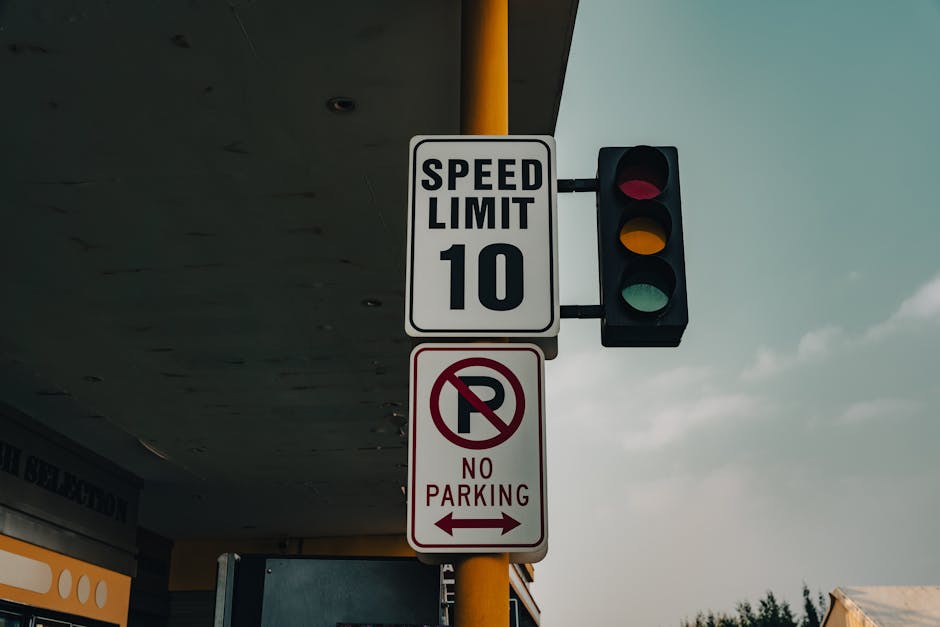
Parking and Loading Rules for Highbury Removals N5: A Practical Guide for a Smoother Move
If you are planning a move in Highbury, the parking side of the day can make or break the whole experience. Parking and Loading Rules for Highbury Removals N5 are not the glamorous part of moving, but they are often the difference between a tidy, efficient job and a day full of delays, awkward apologies, and a van circling the block. In a busy London neighbourhood, a clear plan for vehicle access, stopping time, and loading space matters just as much as boxing up the kettle.
This guide explains the practical side of loading safely, parking sensibly, and avoiding the usual headaches that come with removal day in N5. You will find step-by-step advice, common mistakes, a comparison of options, and a checklist you can actually use. If you are organising a home move, a flat move, or a commercial relocation, the aim is simple: reduce stress and keep everything moving.
Why Parking and Loading Rules for Highbury Removals N5 Matters
Removal day is one of those moments where every minute seems to count. If the van cannot stop close to the property, the team spends longer carrying boxes, furniture, and awkward bits of household life up and down steps, through tight hallways, and across pavements. That adds strain, adds time, and often adds cost. Simple as that.
In Highbury, the road layout, traffic levels, resident parking demand, and occasional loading restrictions mean you need a realistic parking plan rather than a hopeful one. A van parked legally and close to the door can turn a complicated job into a calm, methodical process. A van parked badly can trigger complaints, penalties, or the kind of knock-on delay that throws the whole schedule off.
It also matters for safety. The more direct the loading route, the fewer chances there are for scraped walls, dropped boxes, twisted backs, and rushed carrying. If you have ever tried to manoeuvre a wardrobe along a narrow pavement while a bus comes past, you will know exactly what we mean. Not fun.
Expert summary: Good parking and loading planning is not just about convenience. It protects time, reduces physical risk, keeps neighbours happier, and helps the move run in the right order from the first box to the last.
For many movers, the smartest first step is to think of access as part of the removal itself, not an afterthought. That applies whether you are booking man and van support, arranging a larger vehicle such as a moving truck, or preparing a full family relocation through home moves.
How Parking and Loading Rules for Highbury Removals N5 Works
In practical terms, parking and loading rules govern where a vehicle can stop, for how long, and under what conditions. On a moving day, the goal is not to park for the day like a resident car would. It is to create a short, legal, efficient loading window that gives the crew safe access to the property.
The exact arrangement depends on the street, the time of day, nearby restrictions, whether there is resident permit parking, whether loading is allowed, and whether the van can use a bay or must stop briefly at the kerb. In London, this can change from one side of a road to the other. A little annoying, yes, but that is the reality.
For removals, the usual approach is to assess:
- how close the vehicle can get to the entrance
- whether loading can happen in a bay, on a single yellow line, or only in a designated area
- the likely time needed for carrying items out
- how many people will be helping with the move
- whether large furniture needs extra space or door control while loading
If the move is business-related, access planning becomes even more important. Commercial premises often have tighter turnaround windows, delivery bays, or building rules. In those situations, coordinating with office relocation services or commercial moves can help avoid last-minute confusion.
Loading itself should be done in an ordered way. Heavier items go in first, fragile items are protected, and the path from property to vehicle stays clear. A professional crew will usually work from the largest and heaviest pieces to the smallest boxes, because that is safer and quicker. It sounds obvious, but on moving day obvious things get forgotten very fast.
Key Benefits and Practical Advantages
Good parking and loading planning does more than avoid fines. It improves the whole moving experience in ways that people often only notice after the fact.
- Less carrying distance: The van can be positioned closer, which reduces time and strain.
- Fewer delays: A planned stopping point keeps the schedule tighter.
- Lower risk of damage: Shorter trips between property and van mean fewer collisions and drops.
- Better neighbour relations: Clear, lawful loading is less likely to cause disputes.
- Smoother coordination: Everyone knows where to stand, where to place items, and which route to use.
There is also a financial upside. Efficient access can reduce the time a van and crew are needed on site. That is particularly relevant for anyone comparing removal services or checking pricing and quotes. Fewer lost minutes can mean a cleaner job overall. Not always, but often enough that it is worth planning properly.
For flats and upper-floor homes, the benefit is even clearer. If the vehicle is parked close and the stair route is direct, the move feels more controlled. That is one reason people in taller buildings often look at flat removals and house removals with a strong focus on access logistics rather than just transport.
Who This Is For and When It Makes Sense
This guidance is for anyone moving in or out of Highbury who wants fewer surprises on the day. That includes tenants, homeowners, landlords managing end-of-tenancy handovers, office managers, students, and people picking up a single bulky item. Truth be told, even a small move can become messy if the parking plan is shaky.
It is especially useful if you are:
- moving from a narrow residential street
- relocating from a flat with limited frontage
- using a larger vehicle and need space to load safely
- moving at a busy time of day
- working to a landlord, building manager, or office handover deadline
Students tend to need fast, lightweight moves, but the access issue is still there. If you are heading in or out of halls or a shared flat, the moving van may need to stop briefly and efficiently rather than settle in for long loading. That is where student removals and a compact removal van are often a better fit than a bigger vehicle.
People storing items between moves should think about access too. If you are moving out first and into storage later, or the reverse, the loading sequence matters. A sensible plan can save a lot of doubling back. If that sounds like your situation, storage may be part of the wider moving plan.
Step-by-Step Guidance
Here is a straightforward way to handle the parking and loading side of a Highbury move without overcomplicating it.
- Walk the route before moving day. Look at where a vehicle could reasonably stop, where it would block less, and how far the carry would be from door to van.
- Check property access. Confirm lift access, stair width, front steps, door codes, and whether anything needs to be held open during loading.
- Estimate how long loading will take. Be realistic. The sofa never feels as light on removal day as it did in the living room.
- Decide whether you need a smaller or larger vehicle. A compact van can sometimes be easier to position than a bigger truck in a tight street.
- Separate priority items. Keep essentials, fragile boxes, and paperwork easy to reach so they are not lost in the shuffle.
- Use a loading order. Heavy, sturdy items first. Fragile or awkward items after, with proper protection.
- Keep the path clear. Doorways, stair landings, and pavement space should stay free of clutter.
- Allow for buffer time. A neighbour's car, a delivery lorry, or a locked entrance can change things in a second.
If you are arranging your own move, a little organisation before the van arrives goes a long way. If you are working with professionals, tell them about access quirks in advance. Mention steep inclines, awkward corners, permit zones, or any building rules. The more they know, the better they can position the vehicle.
For heavier or specialist items, such as a piano, this planning becomes much more important. A short carry over level ground is one thing; a long carry with stairs is another. That is why piano removals deserve specific access planning rather than a casual shrug and a hope for the best.
Expert Tips for Better Results
After enough moves, you start to see patterns. The smoothest jobs are rarely the luckiest ones. They are the ones where the details were quietly sorted beforehand.
1. Keep the first-load items near the exit.
That means the most important boxes and the largest pieces should not be buried behind six smaller ones in the hallway. It sounds simple, but it saves real time.
2. Measure the awkward furniture.
A quick measure of a wardrobe, sofa, or bed frame can prevent a very annoying surprise at the doorway. Honestly, this one saves arguments.
3. Plan for weather.
Rain changes everything. Wet boxes, slippery steps, and muddy kerbs all slow the load. In a London morning drizzle, a protected loading route matters more than people expect.
4. Brief everyone properly.
If one person thinks the lamp goes in the van and another thinks it stays inside for last, things get muddled. A five-minute briefing can prevent a twenty-minute mess.
5. Ask about vehicle suitability.
For tight streets, a smaller vehicle can be more effective than a larger one. You can always do two runs if needed, but you cannot magically create extra road space.
That is one reason many customers choose a flexible service such as man with van or a broader removals solution depending on load size. The right vehicle is not the biggest one; it is the one that fits the street and the job.
Expert note: If your move includes packing support, proper labelling and room-by-room grouping can cut loading time dramatically. It also makes unloading easier, which feels like a gift to your future self after a long day.
Common Mistakes to Avoid
Most moving problems are avoidable. That is the slightly frustrating part, because the fix is usually obvious in hindsight.
- Leaving parking to the last minute. This is probably the biggest one. By then, the best spot may already be gone.
- Underestimating loading time. A flat on the third floor with one narrow stairwell is not a five-minute job, even if the boxes are small.
- Using the wrong size vehicle. Too large and you may struggle to position it; too small and you may need extra journeys.
- Blocking the pavement without thinking. Even short stops can create inconvenience, and it is better to avoid it where possible.
- Ignoring building rules. Some blocks have management expectations about access, lift use, or booked time windows.
- Forgetting specialist items. Pianos, antique furniture, and heavy office equipment often need extra planning.
A smaller but common issue is poor box labelling. If the crew has to ask every two minutes where something goes, loading slows down and the vehicle space is used less efficiently. It is one of those small things that snowballs.
Another mistake is assuming all removal teams can park exactly where you want. Sometimes they can. Sometimes they cannot. The better approach is to plan for a sensible loading zone and then adapt if a street condition changes on the day.
Tools, Resources and Recommendations
You do not need a complicated toolkit to make parking and loading easier. A few simple items and a bit of preparation can do most of the work.
- Measuring tape: Helpful for furniture, doorways, and tight corners.
- Box labels and marker pens: Useful for room grouping and priority items.
- Protective covers: Keep soft furnishings and mattresses cleaner in transit.
- Gloves and sturdy footwear: Basic but worth it when carrying awkward items.
- Floor protection: Particularly useful in wet weather or in buildings with polished surfaces.
- Booking notes: Write down access instructions, entry codes, and timing details in one place.
For many people, the best resource is simply a good pre-move conversation. If you are comparing support options, ask about vehicle size, loading approach, and what happens if access is tighter than expected. If you want a better sense of service scope, pages such as removal services, removal truck hire, and packing and boxes can help you think through the wider move, not just the van space.
For customers who need hands-on help at both ends, packing and unpacking services can be a practical add-on. It keeps the move tidy, and to be fair, fewer loose items means fewer chances for chaos at the kerb.
Law, Compliance and Best Practice
Parking and loading during removals should be handled with the usual care expected on UK roads and in residential streets. That means following signs, observing local restrictions, and avoiding obstruction where it can reasonably be avoided. If a street has loading bays, waiting restrictions, resident controls, or time-limited stopping rules, those conditions should be checked carefully before the move starts.
Best practice also means taking reasonable steps to protect pedestrians, neighbours, and the moving team. That includes keeping clear sightlines, not leaving items where they could trip someone, and making sure the loading route is as safe as possible. These are not fancy ideas. They are just the habits that make a move go smoothly and keep everyone on decent terms.
If you are unsure about a building's rules, ask for them in writing if possible. Management companies and landlords sometimes have specific requirements about lift booking, access hours, or where vehicles can stop. For business premises, the same applies, only with slightly more paperwork and more people saying, "just for five minutes". You know how that goes.
Where insurance is involved, it is wise to confirm what is covered during loading, transit, and handling. If you want a clearer sense of the protections and responsibilities around a move, review insurance and safety alongside the provider's health and safety policy and terms and conditions.
Practical standard: the safest and most compliant loading plan is usually the one that keeps the vehicle as close as possible to the property while staying within the applicable parking and loading rules for that street, building, and time of day.
Options and Comparison Table
Different types of moves need different access strategies. Here is a simple comparison that can help you decide what is most sensible for your situation.
| Approach | Best for | Strengths | Watch-outs |
|---|---|---|---|
| Compact van with short loading stop | Small flats, student moves, single-room relocations | Easy to position, flexible in tight streets, quick turnaround | May need more than one run if the load is larger than expected |
| Larger moving vehicle | Family moves, bulk furniture, bigger inventories | More capacity, fewer trips, better for full-house loads | Needs more space and better access planning |
| Specialist removal support | Pianos, office equipment, fragile or valuable items | Better handling, more careful loading, stronger planning | May require more time and detailed access information |
| Storage-first move | Staggered completion dates, temporary gaps between properties | Flexible timing, less pressure on the move day | Needs a clear sequence so items are not moved twice unnecessarily |
For many households, the right answer is not one option forever. It is a combination. A compact van for the first leg, storage for overflow, and a second delivery later can be more practical than forcing everything into one stressed-out day. That is especially true when road space is tight.
Case Study or Real-World Example
A typical Highbury move might look like this: a two-bedroom flat on an upper floor, a relatively narrow residential street, and a moving team arriving around early morning. The client assumed the van could park directly outside the entrance, but there was already a resident vehicle in the best spot and another car had just pulled in behind it.
Rather than forcing a bad arrangement, the team used the nearest sensible loading position, kept the route clear, and organised items in waves. Heavier furniture went out first while the hallway stayed uncluttered. The client had labelled the boxes by room, which made both loading and unloading faster. Nothing dramatic happened. Which, on removal day, is actually a success.
The result was a steady move, no frantic reshuffling, and fewer chances of damage. The only real inconvenience was a slightly longer carry distance than planned, but because the team had allowed buffer time, the delay never turned into a problem. That small margin made all the difference.
This kind of outcome is common when people take parking and loading seriously from the start. A little preparation feels boring at the beginning. Then the van arrives, the street is busier than expected, and suddenly boring looks brilliant.
Practical Checklist
Use this checklist the day before, or even better, a few days before the move.
- Confirm the moving date, arrival time, and access instructions
- Check where the vehicle can legally stop for loading
- Measure large furniture and awkward items
- Label boxes by room and priority
- Keep essentials, documents, and valuables separate
- Clear hallways, doorways, and stair landings
- Protect floors and fragile surfaces if needed
- Tell the moving team about building rules or restrictions
- Plan for weather, parking pressure, and possible delays
- Have a contact number ready in case plans need adjusting
Quick reminder: if you are moving from a property with a lot of furniture, or if the job involves several rooms, it is worth checking whether you need a bigger vehicle or additional help. Pages like house removalists and furniture removals can be useful when planning the scale of the job.
Conclusion
Parking and loading rules may feel like background details, but in Highbury they shape the whole moving day experience. When the vehicle is positioned sensibly, the route is clear, and everyone knows the plan, the move tends to feel calmer and more predictable. That is the goal, really. Not perfection. Just a move that does not fight you every step of the way.
If you are preparing a removal in N5, think ahead about access, vehicle choice, loading time, and any local restrictions that could affect the stop. The more practical the plan, the less you have to improvise on the pavement at 8 a.m. with a sofa and a sigh.
Get a free quote today and see how much you can save.
And if you want a team that understands how parking, loading, access, and timing all fit together, it helps to work with people who plan the move properly from the start. That kind of calm is worth a lot on the day.
Frequently Asked Questions
What are Parking and Loading Rules for Highbury Removals N5 in simple terms?
They are the practical rules that decide where a removals vehicle can stop, how long it can stay, and how loading should happen safely and legally in Highbury.
Why does parking matter so much on removal day?
Because the closer the van is to the property, the less carrying, the less time wasted, and the lower the risk of damage or injury.
Can a removal van stop outside my house or flat in N5?
Sometimes yes, sometimes no. It depends on the street layout, road markings, traffic levels, and any local restrictions in place at that time.
How early should I plan the parking for my move?
Ideally a few days ahead. At the very least, check it before move day so there is time to adjust the plan if needed.
Do I need a smaller van or a larger truck?
That depends on the size of the load and the street. Tight roads often suit smaller vehicles, while bigger moves may need a larger truck and more careful positioning.
What should I do if my building has access rules?
Tell the moving team in advance and share any building instructions, booking windows, lift rules, or loading restrictions before the day arrives.
How do I make loading faster?
Label boxes clearly, keep the exit route clear, group items by room, and place priority items near the front so they can go out first.
Are parking issues different for office removals?
Yes, often they are. Offices may have delivery bays, building managers, set access windows, and more equipment to move, so planning matters even more.
What if I have a piano or other heavy specialist item?
Tell the mover early. Specialist items usually need more space, more time, and a better loading plan than standard boxes and furniture.
Can I reduce costs by improving parking access?
Often, yes. Efficient access can reduce wasted time and make the job smoother, which may help keep the overall move more efficient.
Is storage useful if parking or timing is complicated?
It can be. Storage is helpful when your move is split across dates, or when you need to move items out before the new place is ready.
What is the biggest mistake people make with loading?
Leaving parking and access planning until the last minute. That one causes more stress than almost anything else.