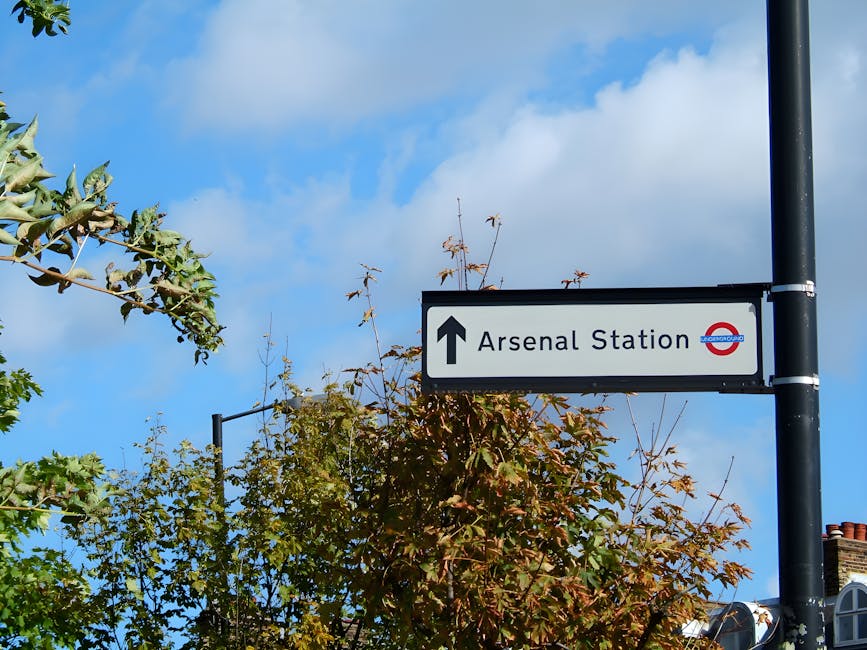
Highbury Removals Islington Council Permit Guide
Planning a move in Highbury can feel simple right up until you hit the parking question. Then the whole day can wobble a bit. The Highbury Removals Islington Council Permit Guide is here to make that part clearer, so you know what matters before the van arrives, the boxes stack up, and the street starts filling with the usual London mix of cyclists, delivery bikes, and someone hunting for a parking space at exactly the wrong moment.
In plain English, this guide explains when a permit may be needed, why it matters for removals in Highbury and the wider Islington area, how the process usually works, and how to avoid the mistakes that cause delays. If you are moving home, shifting a flat, or arranging a larger relocation, a little planning now can save you a lot of back-and-forth later. Truth be told, parking is often the bit people underestimate.
Why Highbury Removals Islington Council Permit Guide Matters
Most removal problems in central and inner London are not about the boxes themselves. They are about access. In Highbury, even a short street can be busy, tightly parked, and awkward for a loading bay or a larger van. If a vehicle cannot stop legally and safely, the move slows down. Sometimes it slows down enough to ripple through the whole day.
A council permit guide matters because it helps you plan around those restrictions rather than discovering them in real time. You may be moving from a first-floor flat, a terraced house, or a converted property with barely enough room for a van, let alone a second pair of hands. If the vehicle cannot wait where it should, you end up with longer carrying distances, extra labour, and avoidable stress. Nobody wants to be carrying a sofa two streets away at 8:15 in the morning. That is not a fun memory.
For removals in Islington, the challenge is not just one rule. It is the practical mix of controlled parking, busy roads, limited kerb space, and the need to keep a move on schedule. When you understand the permit side early, you can choose the right vehicle, the right time slot, and the right setup for the property. That is the real win.
Expert summary: Treat parking and access as part of the move itself, not as an afterthought. If the van can stop legally and close to the property, everything else becomes easier.
How Highbury Removals Islington Council Permit Guide Works
At a practical level, the permit process is about permission to use certain parking spaces or loading areas for a short period during your move. The details depend on the street, the type of restriction, the vehicle, and the time of day. Some locations may allow short loading activity; others may need a formal arrangement. In some cases, the permit is more about avoiding a penalty than about convenience alone.
Here is the part people often miss: a moving permit is not a magic pass that removes every access problem. It helps with lawful stopping or loading, but it does not guarantee a clear street, unrestricted waiting, or unlimited space. That is why a sensible move plan also considers the property layout, the distance from the vehicle to the front door, and whether the team will need help with stairs, lifts, or awkward turns.
If you are booking a more straightforward move, a service like man and van can be ideal for smaller loads where flexibility matters. For larger homes, you may be better off looking at home moves or house removals, especially if furniture, fragile items, or several rooms are involved.
Think of the permit as part of your logistics plan. It sits alongside access notes, vehicle size, timing, and the route from the van to the property. If those pieces fit together neatly, move day usually feels calmer. Not perfect. Just calmer, which is honestly what most people need.
Key Benefits and Practical Advantages
Getting the permit side right brings real benefits, and not just the obvious legal ones. It can reduce delays, protect your schedule, and cut down on last-minute improvisation. When the van is positioned sensibly, the crew can load and unload efficiently instead of wasting time searching for a safe place to stop.
- Less waiting time: A legal stopping arrangement helps the move begin properly.
- Shorter carrying distances: That means fewer trips and less strain.
- Lower risk of penalties: A permit can reduce the chance of parking problems.
- Better planning: You can choose the right vehicle and timings with more confidence.
- Smoother communication: Everyone knows where the van should be and when.
There is also a subtle but important benefit: less mental clutter. Moving is noisy enough already. There are phones ringing, tape tearing, keys going missing, and the odd moment when everyone suddenly asks, "Where did the kettle go?" Sorting parking in advance removes one more thing from the mental pile.
If you are comparing service types, it can help to think about the scale of the job. A smaller, flexible move may suit removal van transport, while a bigger or more structured move may need removal services or a larger vehicle option such as removal truck hire. The permit plan should match that choice.
Who This Is For and When It Makes Sense
This guide is useful for almost anyone moving in or around Highbury, but it becomes especially important in a few common situations.
- Flat movers: If you live in a converted building, mansion block, or upstairs flat, access can be tight.
- House movers: Larger loads usually mean more time at the kerb and more need for planning.
- Students: Student moves often happen on busy dates and with limited notice, so a permit check can prevent chaos.
- Office relocations: Commercial moves often involve stricter time windows and more equipment.
- Same-day jobs: These are tricky if parking has not been considered early.
It also makes sense if you have shared access, a narrow cul-de-sac, a busy main road nearby, or a property where a van would block traffic if it stopped casually. In Highbury, even a move that looks easy on paper can become fiddly on the pavement. A small staircase, a narrow hallway, or a front garden wall can change the whole loading plan.
If you are moving out of a flat, you may want to look at flat removals. For office or business premises, office removals and commercial moves are more relevant because the access and timing requirements are usually stricter than a standard home move.
Step-by-Step Guidance
Here is a practical way to approach the permit and parking side of a Highbury move without overcomplicating it.
- Check the property access first. Measure the route from the street to the front door. Look for stairs, lifts, side access, or anything awkward.
- Identify the vehicle size you actually need. A smaller van is easier to place; a larger truck may be more efficient for volume but harder to park.
- Review the street restrictions. Pay attention to controlled bays, loading areas, resident-only spaces, and any time-based rules.
- Decide whether a permit or suspension is needed. Some streets may allow short loading, while others need formal permission.
- Build the timing around the access window. Morning can be smoother on some roads, but not always. Busy school runs and commuter traffic can catch you out.
- Tell your removal team about the access details early. A good team can plan loading order, manpower, and vehicle choice more accurately.
- Prepare the property for quick loading. Boxes should be grouped, furniture should be dismantled where needed, and fragile items should be clearly marked.
If you are packing now and the room looks like a cardboard maze, that is normal. Really normal. Services such as packing and boxes or packing and unpacking services can save a lot of time and reduce the risk of last-minute chaos.
For bigger moves, it can also help to arrange temporary holding space. If the dates do not line up neatly, storage gives you breathing room instead of forcing everything into one stressful day.
Expert Tips for Better Results
After enough moves, a few patterns become obvious. The people who do best are not always the ones with the fewest belongings. They are the ones who plan the boring parts early.
- Book access planning before you book muscle. It sounds dull, but it prevents rework.
- Leave a little slack in the schedule. One delayed lift, one awkward bed frame, and the clock starts talking back.
- Use clear labels. "Kitchen" is better than "misc," and "fragile" should actually mean fragile.
- Keep essentials separate. You will want keys, chargers, documents, and a kettle before the very last box is opened.
- Check the weather and surface conditions. A wet pavement or icy kerb changes handling and loading speed more than people expect.
Another useful tip: walk the route from the front door to the van as if you were carrying something awkward and heavy. A lamp, a chest of drawers, a mattress. You start to notice where corners bite, where the hallway narrows, and where a trolley might help. That little five-minute walk can prevent a very frustrating afternoon.
If you are moving a speciality item, such as a heavy upright or grand piano, the same access thinking applies. You may need piano removals because the equipment, handling, and positioning are different from a standard move. Heavy items and parking rules are a combination you do not want to improvise.
Common Mistakes to Avoid
Some mistakes are predictable, and yes, most of them happen because people are trying to save time. Ironically, that is how the delay starts.
- Assuming loading is always allowed: "Just for ten minutes" is not a plan.
- Choosing the wrong vehicle size: Too small means more trips; too big means more parking pain.
- Leaving permit checks until the day before: That is when stress sharpens into panic.
- Ignoring the building layout: A short street does not mean a short carry.
- Not warning neighbours or building management: Shared access buildings can be sensitive to disruption.
- Forgetting collection timing for waste or furniture disposal: Old items left outside can create clutter and complaints.
A very common one: people overpack the van and then realise there is nowhere sensible to stop for the second load. Not ideal. If you are getting rid of furniture as part of the move, it may be worth arranging furniture removals or furniture pick up separately so the move itself stays focused.
Tools, Resources and Recommendations
You do not need a mountain of tools to handle the permit side well. A short, focused toolkit is usually enough.
| Tool or resource | Why it helps | Best used for |
|---|---|---|
| Property access notes | Captures stairs, entrances, and carrying distance | Booking the right vehicle and team |
| Room-by-room inventory | Makes volume easier to judge | Planning the van size |
| Simple moving timeline | Stops the day from running loose | Timing loading and key handover |
| Packing labels | Keeps boxes and furniture organised | Fast unloading |
| Spare floor protection | Helps protect hallways and entrances | Shared buildings and narrow access |
For pricing and planning, a straightforward estimate is often better than a vague promise. You can explore pricing and quotes to understand how the move may be structured before the moving date gets too close. It is also sensible to read the company's terms and conditions and insurance and safety information so you know what is covered and what is expected on the day.
If your move is tied to business operations, an office relocation services plan may give you more control over downtime. For smaller moves with a fast turnaround, same-day removals can be useful, but only if access and parking are already under control.
Law, Compliance, Standards, or Best Practice
This is the part where careful wording matters. Parking and loading rules in London are governed by local restrictions, road signage, and the relevant council processes. Exact requirements can vary by street, time, and vehicle type, so you should always confirm the current position before moving day.
From a best-practice standpoint, the safe approach is to treat the removal as a planned activity that needs lawful access, safe loading, and clear communication. That means:
- checking parking and loading restrictions in advance;
- making sure the vehicle is appropriate for the street;
- not blocking access routes, driveways, or emergency paths;
- keeping the moving team informed about any building rules or concierge requirements;
- handling goods carefully to avoid damage to property and common areas.
For commercial or office work, the compliance side can be even more important because building managers, tenants, and neighbours may all be affected by the move. In those cases, a structured removal companies approach can be more reliable than a last-minute arrangement. To be fair, it is usually easier to do things properly once than to fix a rushed move afterwards.
Options, Methods, or Comparison Table
Different moves need different approaches. A permit is one part of the picture, but the vehicle and service choice matter just as much.
| Option | Best for | Pros | Watch-outs |
|---|---|---|---|
| Man and van | Smaller, flexible moves | Quick, adaptable, often efficient on tight streets | May need more trips if the load is large |
| Removal van | Medium loads and urban access | Good balance of capacity and manoeuvrability | Parking still needs planning |
| Removal truck hire | Larger house or office moves | Better for bigger volumes and fewer journeys | Harder to place in narrow or restricted streets |
| Full removal service | Complex moves with multiple rooms or special items | More support, more structure, usually less stress | Requires clearer booking details up front |
There is no single winner for every move. A student move from a compact flat will not need the same setup as a family home with wardrobes, garden items, and two flights of stairs. If you are in student housing, student removals may be the cleanest fit. If it is a larger family property, you may be better off looking at house removalists or the broader removals service page.
Case Study or Real-World Example
Picture a fairly typical Highbury move on a damp Wednesday morning. Nothing dramatic. A second-floor flat, a narrow road, and a couple of larger items including a bed, a sofa, and several boxes of books. The resident initially assumed the van could just stop outside for half an hour. Easy, right? Well, not quite.
Once the access route was checked properly, it became clear that the van would need a sensible stopping plan and the loading sequence had to be organised by priority. The bulky items were brought down first, the smaller boxes were grouped, and the team kept the hallway clear. Because the parking side had been considered in advance, the move stayed moving. No milling around, no last-minute guessing, no awkward "can you move forward two metres?" moments from a frustrated driver.
The useful part of that example is simple: the permit or parking decision is not separate from the move itself. It shapes it. Even a modest flat move can become much easier when the van can stop in the right place at the right time. A little structure really does help.
Practical Checklist
Use this checklist a few days before the move, then again the night before if you are the sort of person who likes a second look. Sensible, really.
- Confirm the moving date and arrival window.
- Check street parking and loading restrictions for the property.
- Decide whether a permit, suspension, or loading arrangement may be needed.
- Measure access from the van to the entrance.
- Tell the removals team about stairs, lifts, and any awkward corners.
- Choose the right vehicle size for the load.
- Pack and label boxes by room.
- Separate essentials, documents, and valuables.
- Arrange storage if there is a gap between move-out and move-in dates.
- Protect floors, door frames, and shared hallways where needed.
- Check insurance, payment details, and booking terms in advance.
- Leave extra time for traffic, neighbours, and the inevitable one thing that takes longer than expected.
Quick takeaway: if parking and access are confirmed early, the rest of the move becomes much easier to control. Simple as that.
Conclusion
The best Highbury removals plans are rarely the flashiest. They are the ones that quietly remove friction before moving day arrives. A sensible permit and parking strategy helps your van stop where it should, your team work efficiently, and your belongings move without unnecessary stress. Whether you are handling a small flat move, a family house relocation, or a business move with tighter rules, the same principle applies: plan the access first, then build the move around it.
If you want a move that feels more organised from the start, check the service options, prepare your access notes, and make the parking side part of the booking conversation. That one bit of preparation can change the whole feel of the day. And when the final box is in place and the kettle finally boils, it is a very good feeling.
Get a free quote today and see how much you can save.
Frequently Asked Questions
Do I need a council permit for removals in Highbury?
Not always, but you should never assume you can stop wherever you like. Whether a permit is needed depends on the street rules, parking restrictions, loading allowances, and the size of the vehicle. It is best to check before the move rather than hoping for the best.
How far in advance should I sort out parking for a move?
As early as possible. A few days may be enough for a simple move, but busy streets or complex access can need more planning. The earlier you confirm the parking approach, the fewer surprises you will face.
Can a man and van service help with tight London streets?
Yes, often it can. A smaller vehicle can be easier to position on a narrow road, especially if the load is modest. For that reason, man with van or man with a van style support is often practical for local Highbury moves.
What happens if the van cannot park close to the property?
The crew may have to carry items a longer distance, which usually takes more time and effort. That can affect the schedule and, in some cases, the cost. It is much better to plan the access point in advance.
Is a removal truck better than a smaller van?
Not automatically. A truck suits bigger loads, but it can be awkward on tighter roads. A van may be more manoeuvrable and still perfectly adequate for a flat or smaller house. The right choice depends on the property, the volume, and the street layout.
Are office moves more complicated than home removals?
Usually, yes. Office moves often involve stricter timing, more stakeholders, and more equipment. In those cases, office removals or office relocation services tend to be more suitable than a simple one-off load.
Can I combine furniture disposal with my removals?
Yes, but it is better to plan it clearly. If items are being removed and not taken to the new property, arranging furniture removals or furniture pick up can keep the move organised and prevent clutter at the old address.
What if I need storage between move-out and move-in dates?
Then storage is often the safest middle step. It takes the pressure off the move day and helps if keys, completion timings, or tenancy dates do not line up neatly. That happens quite a lot, by the way.
How do I make a flat move easier in a restricted street?
Measure the route, choose a suitable vehicle, label everything clearly, and confirm parking before the move. If the building has stairs or limited lift access, flat removals is a good place to start when planning.
Is same-day removal realistic if parking is complicated?
Sometimes, but only if the access situation is straightforward or already understood. Same-day removals are much easier to manage when the vehicle can park legally and close to the property.
What should I tell the removals company before moving day?
Give them the full picture: street name, parking restrictions, access details, floor level, lift availability, item size, and any time limits. Small details matter more than people think. A narrow hallway or a loading restriction can change the whole plan.
How can I keep the move as stress-free as possible?
Start with parking, then packing, then timing. That order helps. If you also choose the right service level, such as removal services or home moves, you give yourself a much better chance of a calm day. And let's face it, calm is underrated.